What is the bonus-malus in car insurance?
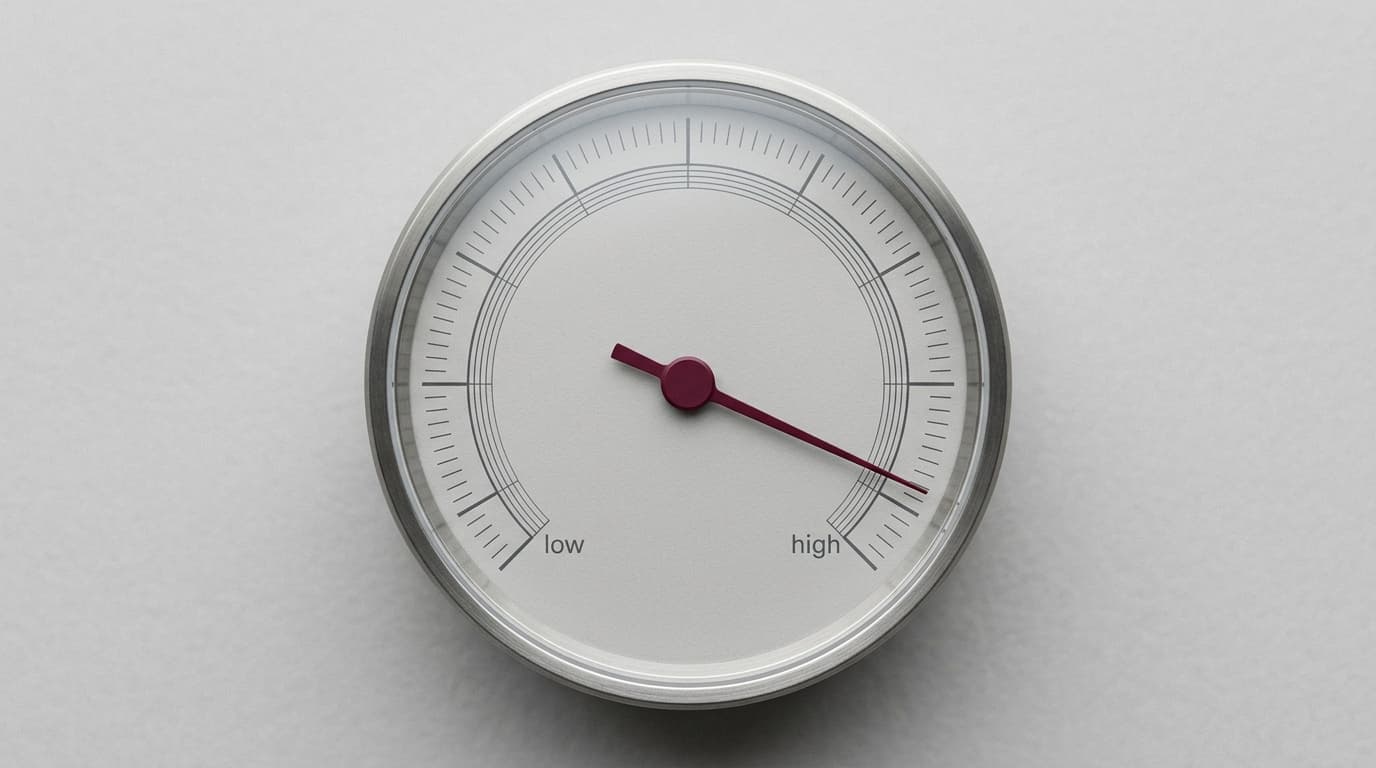
The bonus-malus is a coefficient that raises or lowers your car insurance premium based on your driving history. In Belgium it is most often expressed on a scale from 0 to 22: each level corresponds to a percentage of the reference premium. The lower your level, the less you pay; the higher it is, the more your insurance costs.
In practice, the mechanism rewards careful drivers and charges more to those who pile up at-fault accidents. Level 0 is the maximum bonus (a reduced premium, often around 50%), level 11 is the neutral starting point (100% of the reference premium), and level 22 is the maximum malus (up to 200% of the premium). It is one of the most powerful levers on the final price, alongside the vehicle and the region.

How does the 0-to-22 scale work?
The scale works like an elevator: you move down one level for each claim-free year and up 5 levels for each at-fault accident. Each level is tied to a premium percentage, from the most favourable (level 0) to the most penalising (level 22).
Here is an indicative overview of the most common tiers on the Belgian market. The exact percentages vary from one insurer to another, but the logic is the same everywhere.
| Level | Situation | Indicative premium |
|---|---|---|
| 0 | Maximum bonus | ~50% |
| 5 | Good driver | ~75% |
| 11 | Starting point (neutral) | 100% |
| 16 | After an at-fault accident | ~135% |
| 22 | Maximum malus | 200% |
A new driver generally starts at level 11. For each full year without an at-fault claim, they move down one level and get closer to the maximum bonus. Going from level 11 to level 0 therefore takes, in theory, about ten years of faultless driving.
How does the bonus-malus change each year?
The rule is simple: one year without an at-fault claim = one level down; one at-fault accident = five levels up. This asymmetry is deliberate: it takes several years of caution to erase the consequences of a single at-fault accident.
An at-fault claim is generally taken into account for about 5 years. In other words, an at-fault accident that pushes you from level 6 to level 11 will require five faultless years to return to your starting point. Accidents for which you are not responsible normally do not affect your level: it is indeed the notion of "fault" that triggers the malus.
Is the bonus-malus still mandatory in Belgium?
No: since 1 January 2004, applying the bonus-malus scale is no longer required by Belgian law. Each company is free to define its own scale and its own grid of percentages. This is a point many motorists overlook.
In practice, most insurers still use logic close to the historical 0-to-22 scale, but with variations: some grids run from level 0 to level 18, others from -2 to 22, or even from -4 to 22 to reward the very best profiles more generously. The result: at the same level, two insurers can charge very different premiums. That is exactly why you should compare offers rather than renewing your contract out of habit. The big names on the market — AG Insurance, Ethias, AXA, Belfius Direct, KBC, Yuzzu, P&V — do not value your history in the same way.
What is the claims history certificate and what is it for?
The claims history certificate is the official document that traces your claims over the last five years; it replaced the old "bonus-malus certificate". It is what allows a new insurer to calculate your level from your actual history.
You can obtain it directly from your insurer, who must provide it within 15 days, or via the dedicated online platform. Good news: about 15 days after your contract ends, the insurer sends it to you automatically. Keep it safe: it is your passport for claiming your bonus when you switch companies.
Do I lose my bonus if I switch insurers?
No, switching insurers does not reset your bonus-malus. Your history follows you: thanks to the claims history certificate, the new insurer takes over your actual level instead of placing you back at the starting point. So you do not start from scratch each time you change contracts.
That is one more reason to shop around without fear. Since each company applies its own grid, the same level can translate into a gentler premium elsewhere. Before renewing, take two minutes to compare car insurance or to take the personalised quiz, which cross-references your profile, your vehicle, and your level to point you to the best-suited options.
How do you lower your bonus-malus in practice?
The safest method remains time and caution: each year without an at-fault claim earns you one level. But a few habits help protect, and even speed up, this progress.
First, think before reporting a small claim. If the damage is close to your deductible, it is often more cost-effective to pay for the repair yourself than to suffer a 5-level malus for about 5 years. Next, check whether your insurer offers a "protected bonus" clause or a deductible buy-back that neutralises the first claim. Finally, keep your claims history certificate up to date and compare regularly: at the same level, switching companies can lower the premium immediately, without waiting for the following year.
To go further, see our ranking of the best car insurers in Belgium: it compares, insurer by insurer, how each values the bonus-malus and calculates the premium. And before you choose, take the time to compare offers based on your level and your profile.
Prix & bonus-malus comparator
Compare all prix & bonus-malus side by side.
Compare now
Frequently asked questions
Grégory conseille des automobilistes belges sur leurs contrats d'assurance depuis plus de dix ans. Il décortique les formules RC, mini-omnium et omnium, compare les compagnies du marché belge et traduit les conditions générales en langage clair. Sa règle : aucune recommandation sans avoir lu les exclusions.