Why is young-driver car insurance so expensive?
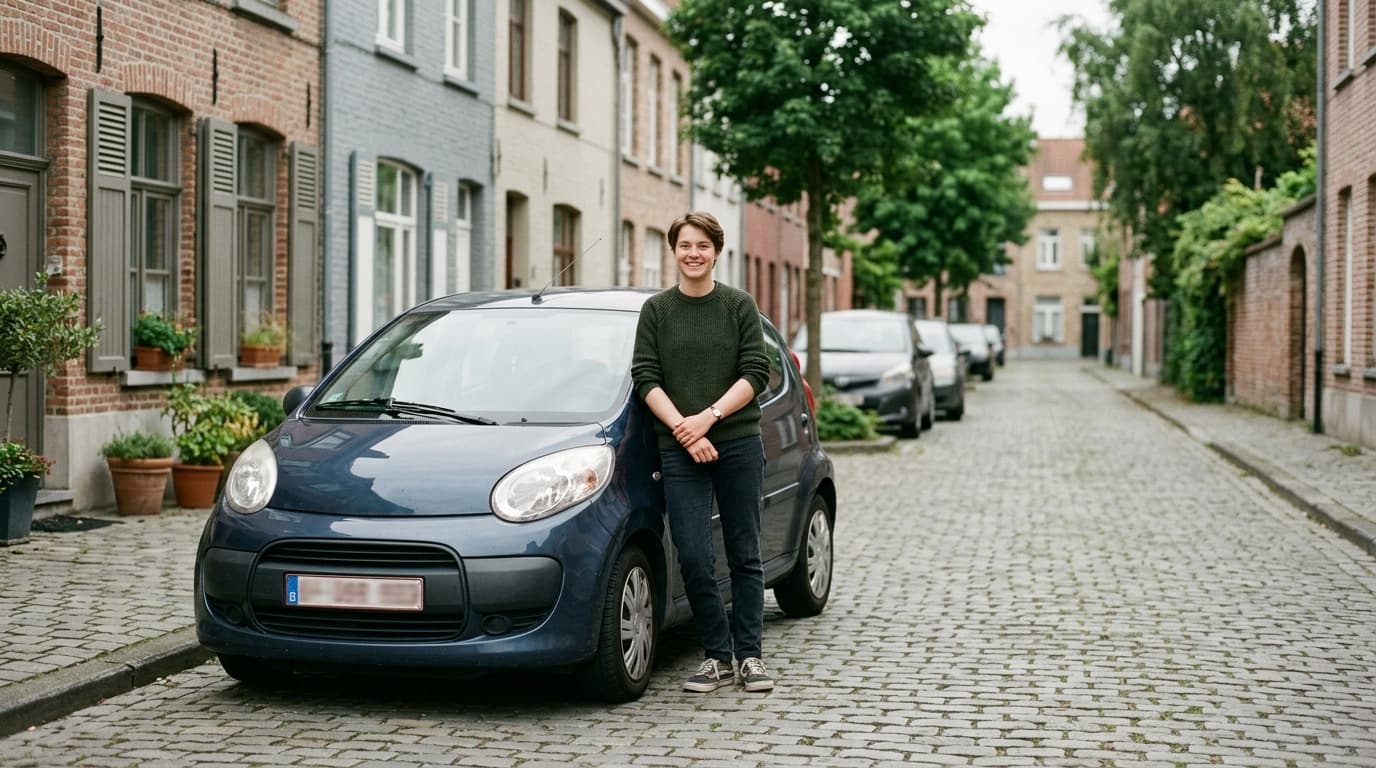
A young Belgian driver pays 2 to 3 times more than an experienced one, simply because they represent a higher statistical risk. 18-24 year-olds are only 9% of the country's drivers, yet they are involved in nearly 20% of injury accidents. The insurer does not yet know how careful you are behind the wheel: it therefore applies a surcharge linked to lack of experience, which eases year after year if you report no at-fault claim.
Concretely, in 2026, expect between €800 and €1,800 per year for third-party liability (RC) alone, and up to €2,200 to €3,500 per year for full omnium. The gap between two insurers for the same young profile can reach €400 to €800: comparing is not a detail, it is the first saving lever.

Which plan should you choose for a first car?
For a first car, the right plan depends mostly on the vehicle's value. The rule is simple: the older and cheaper the car, the less omnium is justified.
- RC alone (mandatory): it covers the damage you cause to others, never your own car. It is the logical choice for a used car worth a few thousand euros — if you damage it, the repair will often cost less than years of omnium surcharge.
- Mini-omnium: it adds theft, fire, glass breakage and natural disasters. A good compromise if your car has an intermediate value and you want peace of mind.
- Full omnium: it also covers your own damage, including at-fault. It is really only justified for a recent or financed vehicle (leasing, car loan), where the contract often requires it.
How much should you really budget per month?
In practice, a young Belgian driver often pays between €80 and €200 per month depending on the plan, region and vehicle. A telling example: for a used city car insured with RC + mini-omnium, a 20-year-old driver in Brussels will generally pay more than the same profile in a rural area, as traffic density influences risk.
The type of car weighs heavily. A small engine (Volkswagen Polo, Renault Clio, Toyota Yaris) is far cheaper to insure than a powerful saloon or an SUV. Choosing your first car already means choosing your premium.
How can you lower the premium as a beginner?
Several concrete levers cut the bill without sacrificing essential protection:
- Start as a secondary driver on a parent's policy: you build a driving history before taking a contract in your own name.
- Choose a small, low-power engine that is rarely stolen.
- Raise the deductible: going from €250 to €500 lowers the premium by 10 to 15% (but you pay more in the event of a claim).
- Pay in one instalment rather than monthly: -5 to -10%.
- Consider pay-per-kilometre insurance if you drive little: a plan like Belfius Direct bills according to distance driven.
- Compare at least three quotes every year and whenever you change car.
Should you use a broker or subscribe online?
For a young driver, a broker often finds a better solution than a standardised online subscription, because they know which companies are most welcoming to beginner profiles and can negotiate. Subscribing directly (online insurers) remains cheaper if your profile is simple and you already know what you want.
Whatever your choice, the winning approach is always the same: request several quotes, read the exclusions, and check the actual deductible amount before signing.
Verdict: where to start?
To go further, see our ranking of the best car insurers in Belgium: it details, insurer by insurer, which are most welcoming to young profiles, which focus on price and which offer the best claims service.
Profils conducteurs comparator
Compare all profils conducteurs side by side.
Compare now
Frequently asked questions
Grégory conseille des automobilistes belges sur leurs contrats d'assurance depuis plus de dix ans. Il décortique les formules RC, mini-omnium et omnium, compare les compagnies du marché belge et traduit les conditions générales en langage clair. Sa règle : aucune recommandation sans avoir lu les exclusions.